
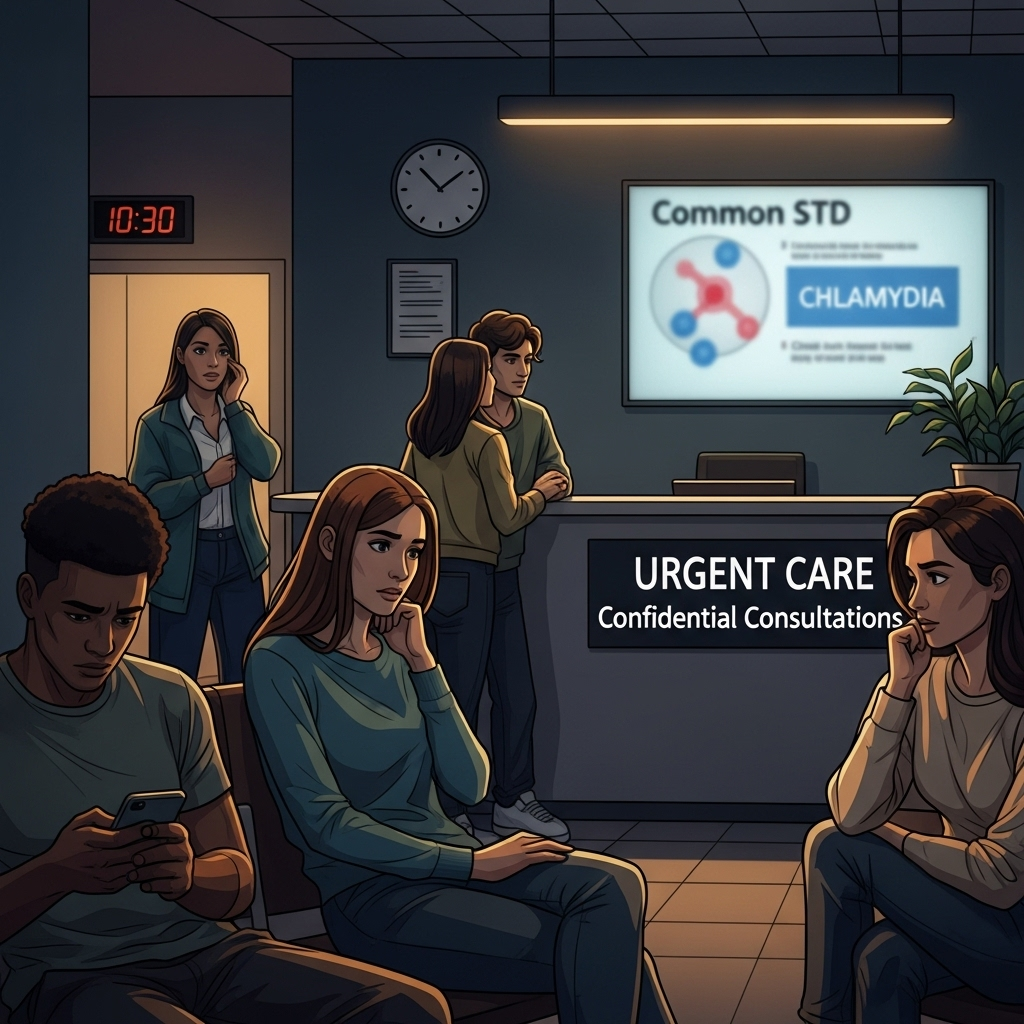
When we talk about sexually transmitted diseases, it counts as a private chat, not a dinner table conversation. But the reality is that the more we talk about them, the more we can prevent, treat, and protect our health. One of the most common, yet often overlooked, STDs out there is chlamydia. It’s also sometimes called “the silent infection” because most people who have it don’t even know they’re infected.
People feel no itching, no pain, no visible signs, and just quietly do damage behind the scenes. That’s what makes it so risky and dangerous, if left untreated.
But the good thing is that, once it gets discovered, it is completely curable, and you don’t have to wait weeks for an appointment to get tested or treated. You can walk into your local iMed Urgent Care in Ohio and get the care you need—fast, discreetly, and without judgment.
Let’s discuss what chlamydia really is, how it spreads, what symptoms to look out for, and how iMed Urgent Care can help you get tested and treated the same day.
What Is Chlamydia?
Chlamydia is an STD caused by a bacterium called Chlamydia trachomatis. It’s most commonly spread through vaginal, anal, or oral sex with someone who’s already infected. And it doesn’t take much for it to spread. You can’t get chlamydia from casual contact like hugging, sharing food, or using the same toilet seat, but unprotected sexual contact is enough to transmit it easily.
Chlamydia affects both men and women, though its ratio is high in women, and it tends to hit them harder because it can cause long-term reproductive complications if untreated, like pelvic inflammatory disease (PID), which can lead to infertility or chronic pelvic pain.
In men, it can cause painful urination or inflammation of the testicles, but again, many guys won’t have any symptoms at all.
Why Chlamydia Is Called “The Silent Infection”
According to research, around 70–90% of people with chlamydia don’t have any symptoms. That’s right because no burning, no discharge, no warning signs. You could feel totally fine and still have it. That’s why regular testing is so important, especially if you’re sexually active with new or multiple partners. Without testing, there’s no way to know whether you are infected or not.
Because it’s silent, chlamydia takes months or years to diagnose. During that time, the bacteria can quietly spread and cause long-term damage. For women, untreated chlamydia can lead to scarring in the fallopian tubes and increase the risk of ectopic pregnancy, which is a pregnancy that occurs outside the uterus.
In men, it can cause inflammation in the epididymis, which is the tube that carries sperm, leading to pain, swelling, or even infertility in severe cases.
Common Symptoms (When They Actually Show Up)
While most people never feel a thing, a few might notice symptoms a few weeks after exposure. These can include:
For Women:
-
Pain or burning when urinating
-
Abnormal vaginal discharge (yellowish or with a strong odor)
-
Pain during sex
-
Bleeding between periods
-
Lower abdominal or pelvic pain
For Men:
-
Pain or burning during urination
-
Cloudy or watery discharge from the penis
-
Pain, swelling, or tenderness in one or both testicles
For Both:
If you’ve had oral or anal sex, chlamydia can also infect the throat or rectum.
-
Throat infections might cause a sore throat (but often no symptoms at all).
-
Rectal infections can cause discharge, pain, or bleeding.
If you feel any of the symptoms or you’ve recently had unprotected sex, then you need to check.
How Do You Get Tested for Chlamydia?
Testing for chlamydia is simple, fast, and completely confidential. At iMed Urgent Care, you never need to stress about it. Depending on your symptoms and what type of sexual activity you’ve had, your provider will likely recommend:
-
A urine test is the most common method. You just provide a sample, and that’s it.
-
A swab test, which might be done from the cervix (for women), urethra (for men), rectum, or throat if those areas are at risk.
That’s all it takes. You’ll receive results quickly, and if you test positive, treatment can start right away.
Fast, Discreet Testing at iMed Urgent Care
One thing we understand at iMed Urgent Care is that sexual health can feel like a sensitive topic. But with us, you don’t have to feel awkward, embarrassed, or judged. Our medical team handles STD testing every single day, and we’re all about keeping things private, comfortable, and judgment-free.
You don’t even need to make an appointment. Just walk in, let us know you’d like to get tested, and we’ll take care of the rest. Testing is quick, the visit is confidential, and you’ll get your results as soon as possible. Our main goal is to provide you with peace of mind without any wait.
What If You Test Positive?
The first thing is don't panic. Chlamydia is one of the most easily treatable STDs out there.
If your test comes back positive, your provider will prescribe antibiotics—usually doxycycline or azithromycin. You’ll either take a single dose or a short course over a week. Once you complete the treatment, the infection clears up completely.
During medication, you need to follow a few steps:
-
Finish all your medication even if you start feeling fine halfway through.
-
Avoid sexual contact until at least 7 days after your treatment is complete.
-
Get your partner(s) tested and treated too. If your partner isn’t treated, you could end up reinfecting each other.
-
Come back for a follow-up test in about 3 months. Sometimes, reinfection happens without you realizing it, so it’s a good idea to double-check.
What Happens If You Don’t Treat It?
Never take it lightly. If you are left untreated, then chlamydia can cause permanent damage, especially in women.
-
Pelvic Inflammatory Disease (PID): This can lead to chronic pain, infertility, or ectopic pregnancy.
-
Increased risk of HIV: Chlamydia can make it easier to contract or transmit HIV.
-
Reproductive complications in men: Infection and inflammation in the testicles, which can affect fertility.
Even though you might not feel sick, untreated chlamydia can be doing long-term harm quietly. That’s why early testing and treatment are necessary.
Chlamydia and Pregnancy
Chlamydia can also affect pregnant women and their babies. If left untreated, it can lead to premature birth, low birth weight, or even infection in the newborn’s eyes or lungs during delivery.
The CDC recommends that all pregnant women under 25 or those with new or multiple partners get screened for chlamydia at their first prenatal visit.
At iMed Urgent Care, our providers can help with testing and treatment for pregnant women safely and effectively, and protect both mom and baby.
Who Should Get Tested for Chlamydia?
Even if you feel fine, getting tested is one of the best things you can do for your health and your partner’s. The CDC recommends:
-
Sexually active women under 25 should get tested every year.
-
Women over 25 should get tested if they have new or multiple partners.
-
Men who have sex with men should get tested at least once a year.
-
Anyone who’s had unprotected sex or whose partner has an STD should get tested as soon as possible.
Prevention Tips: How to Stay Safe
You can’t always tell who has chlamydia, which is why prevention matters just as much as treatment. Through some simple ways, you can protect yourself:
-
Use condoms – Every time. They’re your best line of defense.
-
Get tested regularly – Especially if you have new or multiple partners.
-
Communicate with your partner – Talk about STD testing before you have sex.
-
Avoid sharing sex toys – Or clean them thoroughly between uses.
-
Limit partners – Having fewer partners means lowering your risk.
The point isn’t to make sex scary but to make it safer.
Few Myths About Chlamydia
There’s a lot of misinformation people have about chlamydia, so let’s clear up a few common myths:
“I’d know if I had chlamydia.” Nope. Most people don’t have symptoms at all.
“You can only get chlamydia from vaginal sex.” Wrong again. It can spread through anal or oral sex, too.
“Once you’ve had chlamydia, you’re immune.” Unfortunately, that’s not true. You can get reinfected any time.
“Chlamydia isn’t a big deal.” It might not feel serious at first, but untreated chlamydia can cause lifelong health problems.
“If my partner has chlamydia I’ll automatically see symptoms too.”Not necessarily, it’s possible one partner has symptoms and the other doesn’t. That’s why testing both partners is important.
Why Choose iMed Urgent Care for STD Testing and Treatment
Many people have this question in mind: Why go to urgent care instead of waiting for my primary doctor or a sexual health clinic?
There are some factors that make urgent care centers like iMed Urgent Care a preferable choice for you.
-
No appointment needed. Walk in anytime—testing and treatment are available 7 days a week.
-
Fast results. We know waiting can be stressful, so we get your results back quickly.
-
Discreet and private care. Your privacy matters and we take that seriously.
-
Same-day treatment. If your test comes back positive, we’ll start treatment at the spot.
-
Affordable testing options. We accept most insurance plans and offer self-pay options, too.
Whether you’re in Columbus, Grove City, or another iMed location, our providers make the process easy, respectful, and judgment-free.

Created by DearDoc.
iMed Urgent Care © All right reserved.