Do you feel exhausted no matter how much sleep you get? Like you’re running on empty even after a full night in bed? But you can’t figure out why? It happens with a lot of people that their energy level drags lately, and it’s not always stress or getting older. A lot of people assume constant fatigue is just part of a busy life, stress from work, or not getting enough sleep. But what happens when you are sleeping, cutting back on caffeine, and still dragging yourself through the day?
When exhaustion starts affecting your focus, mood, and motivation, it’s often a sign that something is changing in your body. And one of the most common and most overlooked causes of ongoing fatigue is iron deficiency. You don't need to be scared of iron deficiency as it is easy to test, diagnose, and treat. If you’re in Ohio and wondering why you’re always tired, iMed Urgent Care can help you get answers quickly without long waits or complicated appointments. Let’s discuss it and get to know more about it.
Why Am I Always Tired? When Fatigue Isn’t “Normal”
In this busy schedule, we all have tired days. Late nights, busy workweeks, and family responsibilities all make us tired. But if fatigue becomes a part of everyday life, that means your body is trying to tell you something. Some indicators can differentiate fatigue from normal tiredness, including:
-
You wake up tired even after 7–8 hours of sleep
-
You feel weak or lightheaded
-
You’re struggling to focus or concentrate
-
You get short of breath doing simple tasks
-
You feel cold more often than usual
-
Your workouts feel harder than they used to
If you feel any of this sounds familiar, low iron levels could be the major cause.
What Is Iron Deficiency?
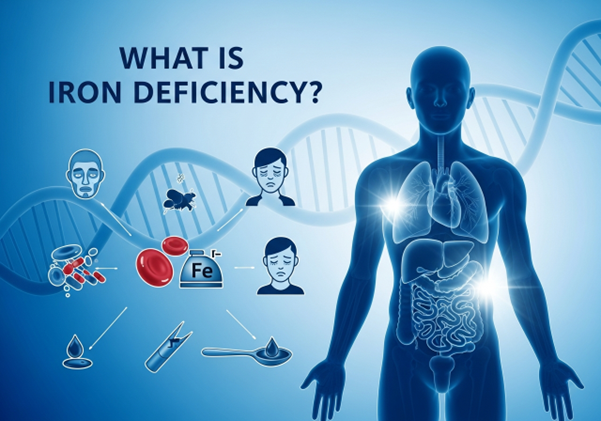
Iron plays a much bigger role in your body than most people realize. It is a mineral your body absolutely needs. It helps to make hemoglobin, which is a part of red blood cells and is responsible for carrying oxygen through your bloodstream to your muscles, organs, and brain. When iron levels drop, your body simply can’t deliver enough oxygen where it’s needed, and that’s when you start feeling fatigue, weakness, and brain fog all the time.
This isn’t the kind of tiredness that goes away with a nap or a weekend off. It’s the heavy, draining fatigue that makes even small tasks feel like too much effort. Many people live with these symptoms for months, sometimes even years, without realizing that iron deficiency could be the reason.
Common Symptoms of Iron Deficiency You Shouldn’t Ignore
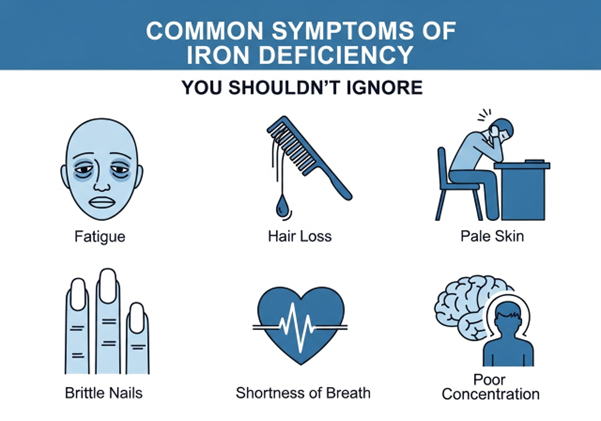
Iron deficiency is one of the most common nutritional deficiencies worldwide, and it doesn’t always announce itself loudly. Sometimes it sneaks in slowly. You don't, but you will always notice that you feel sick, but your energy is gone, your concentration is off, and you just don’t feel like yourself anymore. Some of the most common symptoms people experience:
-
Constant fatigue or low energy
-
Pale skin
-
Headaches or dizziness
-
Shortness of breath
-
Cold hands and feet
-
Brittle nails or hair thinning
-
Restless legs
-
Brain fog or trouble concentrating
These symptoms together often point toward low iron levels that deserve attention.
When Should You See a Doctor?
When that tiredness sticks around and starts affecting your daily life, it’s time to make it stop and consider seeing a doctor. You can’t ignore the persistent exhaustion, especially when it’s your body’s way of asking for help. Many people spend months blaming themselves or assuming it’s “just life” before they ever get tested. That’s why getting checked is so important, especially in certain situations. If you have heavy menstrual periods, are pregnant or recently postpartum, follow a restrictive diet, or have a history of anemia, seeing a doctor is the best option. But where is the right place to get checked for iron deficiency without facing hurdles and spending a lot of time?
The best option is iMed Urgent Care Center in Ohio, which provides the convenience that you deserve. You can walk in, talk through your symptoms with an experienced provider, and get the appropriate testing done to figure out what’s really going on. If iron deficiency is the cause, catching it early can make a huge difference in how quickly you start feeling better. When your body keeps telling you something isn’t right, listening early is always the better choice.
What Causes Iron Deficiency?
Iron deficiency can happen to anyone, but some people are at higher risk than others. Some causes of iron deficiency are so common, especially among adults who otherwise feel healthy, include:
Poor Dietary Intake
Diet plays a big role, particularly for people who don’t eat many iron-rich foods like red meat, leafy greens, beans, or fortified cereals. Missing these meals can lead to low iron levels over time.
Blood Loss
This is especially common in:
-
Women with heavy menstrual cycles
-
People with gastrointestinal issues
-
Frequent blood donors
Pregnancy
Pregnant individuals need more iron to support fetal development, and without proper supplementation, levels can drop quickly, making a deficiency more likely.
Absorption Issues
On top of that, certain digestive issues can make it harder for the body to absorb iron properly, even if you’re eating the right foods.
The result is a slow, gradual decline in iron that often goes unnoticed until fatigue becomes impossible to ignore.
Iron Deficiency vs. Iron Deficiency Anemia
This is an important distinction but most people are unaware of it.
-
Iron deficiency means your iron levels are low.
-
Iron deficiency anemia means iron levels are so low that they’ve started affecting red blood cell production.
Both matter. Both deserve attention. And both can be treated when signs of iron deficiency show up.
The Role Urgent Care Centers Play in Iron Deficiency Care
People have the misconception that Urgent care centers are just for sprained ankles or sudden fevers. But now they need to know that the modern urgent care clinics like iMed Urgent Care centers in Ohio help to treat all the non-life-threatening diseases and also play a critical role in catching issues like iron deficiency early. You can get:
Quick Access to Medical Evaluation
One of the biggest advantages of urgent care is access. No long waits. No referrals just to get started. You can walk in, explain your symptoms, and be seen by a medical professional the same day. If you are feeling exhausted, dizzy, or weak and need answers now, not next week, just walk into iMed Urgent Care Centers in Ohio.
Symptom-Based Assessment
At iMed Urgent Care, providers don’t just look at numbers on a chart. They listen to what you’re experiencing. That matters because iron deficiency doesn’t feel the same for everyone. Different people have different experiences and you hear:
-
I can’t get through the day without a nap.
-
I feel winded walking up stairs.
-
I keep getting headaches and can’t focus.
These details help guide the next steps quickly and efficiently.
How Iron Deficiency Is Diagnosed
Diagnosing iron deficiency is simple and quick. At iMed Urgent Care in Ohio, iron levels can be evaluated through basic blood work. No long waits and hurdles because we have in-house lab services. You get tested easily with clear answers.
Your provider can check:
-
Hemoglobin levels
-
Ferritin (iron storage)
-
Other relevant blood markers
Once the results are in, you’ll know exactly what’s going on and our experienced professionals guide you on what to do next.
Treatment Options for Iron Deficiency
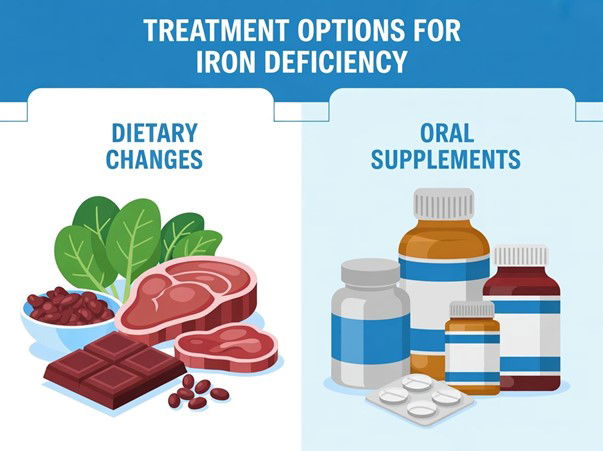
Treatment of iron deficiency always depends on how low your levels are and what’s causing the issue. Some common treatment approaches include:
Iron Supplements
Oral iron supplements are often the first step. Your provider will recommend the right dosage and type.
Dietary Changes
Adding more iron-rich foods like:
-
Lean red meat
-
Spinach and leafy greens
-
Lentils and beans
-
Iron-fortified cereals
How iMed Urgent Care Helps Manage Iron Deficiency
Once iron deficiency is diagnosed or confirmed, the next step is management and iMed Urgent Care plays a supportive role here, too.
Treatment Guidance
While urgent care may not manage long-term conditions forever, they absolutely help get you started. At iMed Urgent Care, our providers can:
-
Recommend iron supplements
-
Explain proper dosing and timing
-
Discuss dietary sources of iron
-
Help manage symptoms while you wait for follow-up care
They’ll also tell you when it’s important to see a primary care provider or specialist.
Addressing the Root Cause
Iron deficiency always happens due to some reason. Providers will ask the right questions, such as:
-
Are you experiencing heavy menstrual cycles?
-
Have you had recent blood loss?
-
Are there digestive issues?
-
Is your diet lacking iron-rich foods?
The right decision helps point you in the right direction quickly.
Why Choose iMed Urgent Care in Ohio?

Not all urgent care centers are the same. iMed Urgent Care focuses on patient-centered care that feels personal, not rushed or impersonal.
What Sets iMed Urgent Care Apart
-
Walk-in availability
-
Multiple Ohio locations
-
Experienced medical providers
-
On-site testing and evaluation
-
Clear explanations, no confusion
-
Compassionate and judgment-free care
Whether you’re in East Columbus, Grove City, or South High Columbus, we are always here for you.
Final Thoughts:
Feeling tired all the time isn’t something you should accept as normal, especially when the solution could be as simple as identifying and treating iron deficiency. If your energy has been missing and you’re ready for real answers, visiting iMed Urgent Care in Ohio could be the first step toward feeling like yourself again. Instead of wasting your time guessing, take this proactive approach and get checked for timely treatment. Your body has been trying to tell you something—now’s the time to listen.