

Fever Symptoms, Causes, Testing & Treatment in Ohio
A fever isn't an illness by itself because it's your body's response to something else going on, usually an infection. Most fevers are manageable at home but knowing when a fever signals something that needs medical attention can be confusing, especially with kids. At iMed Urgent Care, our providers evaluate fevers in patients of all ages at our Grove City, East Columbus, and South Columbus locations, identify the underlying cause, and get treatment started the same day. No appointment needed.
What Counts as a Fever?
A fever usually means your body temperature is 100.4°F (38°C) or higher. However, what is considered a high fever and how quickly you need medical care can depend on your age and other symptoms.
Body temperature can also change during the day. It is usually a little lower in the morning and higher in the afternoon or evening.
- 97°F–99°F: Normal temperature range. No action is usually needed.
- 100.4°F–102°F: Low-grade fever. Monitor the temperature and treat symptoms.
- 102°F–104°F: Moderate fever. Consider medical advice, especially for children.
- 104°F and above: High fever. Seek medical care quickly.
Keep in mind: A fever does not always mean the same thing for everyone. Your age, how long the fever has lasted, and other symptoms all matter. For example, a 100.9°F fever in a 3-month-old baby needs more urgent attention than the same temperature in a healthy adult.
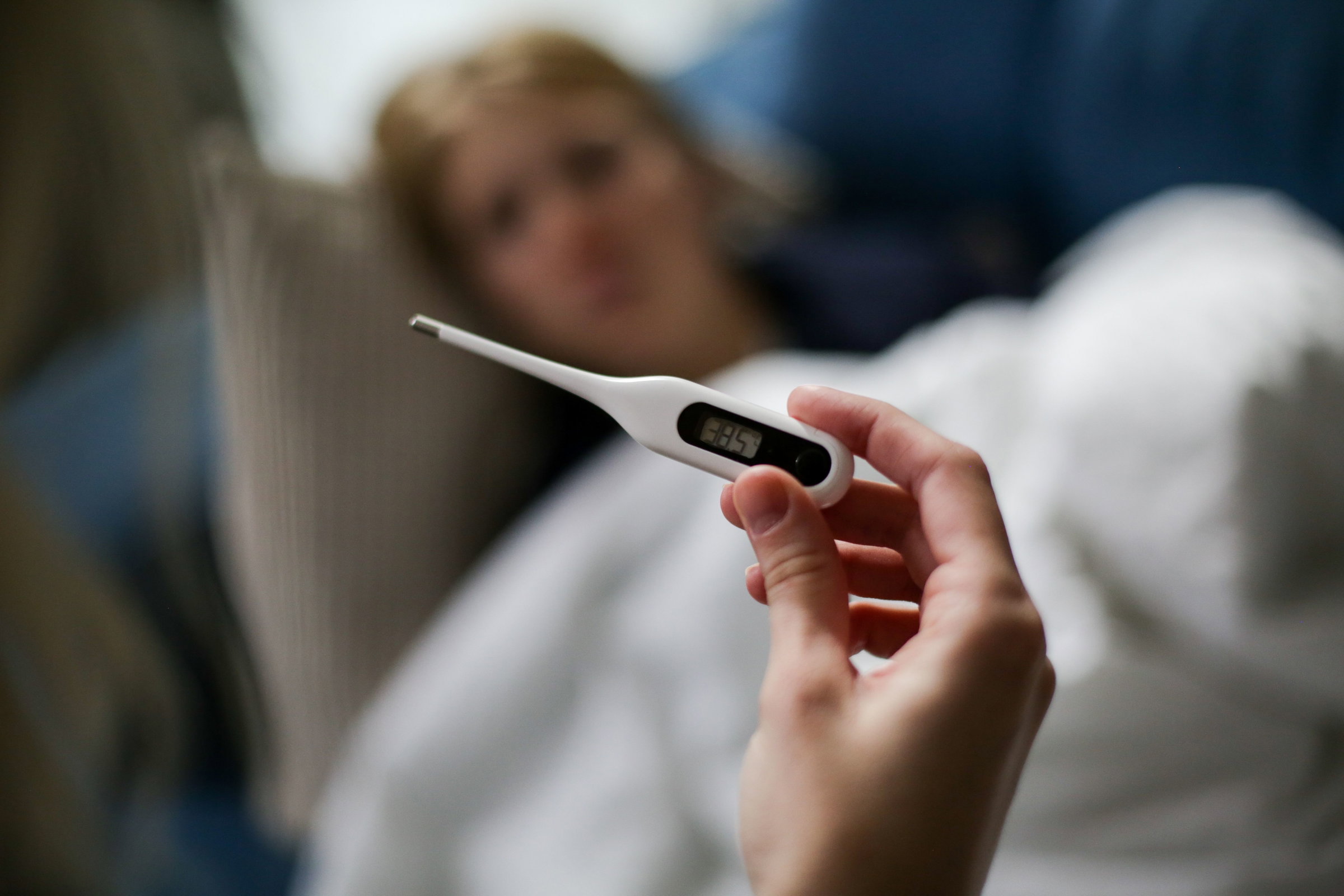
How to Take a Temperature Accurately
The way you check your temperature can affect the reading. Rectal and oral thermometers usually give the most accurate results. Forehead and ear thermometers are easy to use but may be a little less accurate. Armpit readings are often lower than your actual body temperature.
For babies and young children, a rectal thermometer is generally the most reliable. Fever guidelines for young children are usually based on rectal temperature readings.
Cystitis (bladder infection) is the most common type that causes pain and pressure in the lower abdomen and frequent, painful urination
Urethritis (urethra infection) causes burning during urination and can sometimes be confused with a sexually transmitted infection
Pyelonephritis (kidney infection) is a more serious upper urinary tract infection that can cause fever, back pain, and nausea, and typically needs quick treatment to prevent complications.
Fever Guidance by Age
Age is an important factor when deciding whether a fever can be watched at home or needs medical attention.
Fever in Infants (0–3 Months)
A temperature of 100.4°F (38°C) or higher in a baby under 3 months old should be taken seriously. Young babies have developing immune systems and can become seriously ill quickly, sometimes without many other symptoms. That’s why they need an immediate medical evaluation.
Fever in Babies and Toddlers (3 Months–3 Years)
For young children, how they act can be just as important as their temperature. A toddler with a 103°F fever who is alert, drinking fluids, and acting normally can be less concerning than a child with a lower fever who is very sleepy, difficult to comfort, or refusing fluids. Contact a healthcare provider if the fever lasts more than two to three days.
Fever in Older Children (3–12 Years)
Older children can usually handle fevers well. The cause of the fever like cold, ear infection, or strep throat, is often more important than the exact temperature. Medical evaluation is needed if the fever lasts more than three days, reaches 104°F or higher, or comes with symptoms such as a sore throat, ear pain, rash, or stomach pain.
Fever in Adults
Most fevers in adults are caused by viral infections and improve within a few days with rest, fluids, and over-the-counter fever medicine when appropriate. See a healthcare provider if the fever is above 103°F, lasts more than three days, or comes with serious symptoms such as a stiff neck, trouble breathing, confusion, or a rash.
Fever in Older Adults (65+)
Older adults may not develop a high fever even when they have a serious infection. Sometimes a small rise in temperature, or even a normal temperature along with confusion or weakness, can be a warning sign. Quick medical evaluation is recommended if they have weakness or loss of appetite.
What Causes a Fever?
A fever is usually a sign that your immune system is fighting an infection. Sometimes, it can also happen because of another condition or trigger.
Common causes of fever include:
- Viral infections: Colds, flu, and other respiratory viruses
- Bacterial infections: Strep throat, urinary tract infections (UTIs), ear infections, and pneumonia
- Vaccinations: Some vaccines can cause a mild fever that goes away quickly
- Teething: Teething may cause a small rise in temperature in babies, but it usually does not cause a high fever
- Overheating: Heat exhaustion or being exposed to too much heat
- Inflammatory conditions: Some conditions that cause inflammation can also lead to fever
- Medications and other conditions: Certain medicines and, less commonly, more serious health problems can cause fever
A fever is a symptom so treating the fever is only part of the process. Finding out what is causing it helps healthcare providers choose the right treatment.
Fever with Other Symptoms: What It Might Mean
The symptoms you have along with a fever can often help identify what is causing it. Some common combinations include:
- Fever + sore throat: May be caused by strep throat or a viral infection
- Fever + cough and body aches: May point to the flu or another respiratory infection
- Fever + burning when urinating: May be a sign of a urinary tract infection (UTI)
- Fever + ear pain: May indicate an ear infection
- Fever + rash: Can happen with some viral infections but certain rashes need quick medical attention
- Fever + stiff neck and sensitivity to light: Needs urgent medical evaluation
- Fever + stomach pain: May be caused by a stomach virus but severe or worsening pain could be a sign of appendicitis
A same-day medical visit that urgent care centers provide can help find the cause of your fever and make sure you receive the right treatment instead of only treating the fever itself.
Fever Treatment Options
Treating a fever usually involves finding the cause and helping relieve the discomfort it causes.
Treating the Cause
If a bacterial infection, such as strep throat, a UTI, or an ear infection, is causing the fever, your provider can prescribe antibiotics accordingly.
Most fevers are caused by viruses. Antibiotics do not treat viral infections, so these illnesses are usually managed with rest, fluids, and other supportive care while the body fights the infection.
Fever Reducers: Dosing and Guidance
Acetaminophen (Tylenol) and ibuprofen (Advil, Motrin) are commonly used to reduce fever and relieve discomfort.
Ibuprofen should not be given to babies under 6 months old unless directed by a healthcare provider. For children, the correct dose is based mainly on body weight, not just age. Your provider can help you choose the right dose for your child.
The goal of fever medicine is not always to bring the temperature back to normal. The main goal is to help the person feel more comfortable.
Home Care Alongside Treatment
You can also help manage a fever at home by:
Drinking plenty of fluids, such as water, broth, or electrolyte drinks
Wearing lightweight clothing instead of heavy layers
Getting plenty of rest
Taking a lukewarm bath or sponge bath for comfort if needed. Avoid cold water or alcohol baths which can cause shivering and raise body temperature.
Checking the temperature periodically instead of constantly, which can cause unnecessary stress
Fever Evaluation at iMed Urgent Care
Because a fever can have many different causes, the evaluation starts with a medical history and physical exam. Your provider will ask when the fever started, how high it has been, what other symptoms you have, and about any relevant health history.
Diagnostic Testing
Depending on your symptoms and exam, providers recommend on-site testing to find the cause of the fever. This can include:
- Rapid strep test
- Rapid flu test
- COVID-19 test
- Urinalysis
- Other tests based on your symptoms and exam
Finding the cause of the fever helps your provider choose the right treatment instead of only lowering your temperature.
What Happens During Your Visit
During your visit, you can expect:
- Temperature and vital sign check
- Symptom review to understand when the fever started and how it has changed
- Physical exam of areas such as the throat, ears, lungs, abdomen, and skin
- Targeted testing when needed to confirm the cause
- Treatment plan to address the underlying cause and help relieve your symptoms
Why Choose iMed Urgent Care for UTI Treatment?
A fever can have many different causes. Our experienced providers can help find the cause and recommend the right treatment based on your symptoms, age, and overall health.
Walk-In and Same-Day Care
No appointment is needed. You can walk in during business hours or use our online check-in to save your spot. Our team can evaluate your symptoms, perform testing when needed, and create a treatment plan during your visit.
Care for All Ages
Our providers evaluate fevers in babies, children, adults, and older adults. We understand that fever can affect each age group differently, so we look at more than just the temperature reading.
Convenient Columbus-Area Locations
For the convenience of Ohio residents, iMed Urgent Care in Ohio offers services at different locations so you can easily visit a location near you. We just want to get care for a fever that is convenient for patients throughout the Columbus area.
- Grove City Urgent Care
- East Columbus Urgent Care
- South Columbus Urgent Care
Frequently Asked Questions
What temperature is considered a high fever in adults?
A temperature of 103°F or higher is considered a high fever in adults. You should consider medical care, especially if the fever lasts for more than a day or two or comes with other concerning symptoms.
When should I worry about a fever in my child?
The temperature is not the only thing to consider. Pay attention to how your child is acting. Are they drinking fluids, alert, responsive, and easy to comfort? Any fever in a baby under 3 months old needs immediate medical care. A high or long-lasting fever in an older child also needs medical attention.
Can a fever go away and come back?
Yes. Some infections can cause a fever to go away and then return. A fever that comes back after getting better can sometimes be a sign of another infection. If this happens, it is a good idea to have the person evaluated.
Is it safe to go to urgent care for a fever, or should I go to the ER?
Urgent care can treat most fevers, including high fevers, when the person is alert and breathing normally. However, symptoms such as a stiff neck, severe confusion, or trouble breathing require emergency care. In these situations, go to the ER or call 911.
Why choose iMed Urgent Care for fever treatment?
iMed Urgent Care provides same-day fever evaluation and treatment for children and adults. Our providers can check your symptoms, perform testing when needed, and help find the cause of your fever. With convenient Columbus-area locations and walk-in care, you can get the medical attention you need without waiting for a regular appointment.
Office Hours
Mon - Fri: 09:00 AM - 07:00 PM
Sat - Sun: 10:00 AM - 05:00 PM
Contact
Phone: +1 614-594-2900
Office Hours
Mon - Fri: 09:00 AM - 07:00 PM
Sat - Sun: 10:00 AM - 05:00 PM
Contact
Phone: +1 614-456-7296
Office Hours
Mon - Fri: 09:00 AM - 07:00 PM
Sat - Sun: 10:00 AM - 05:00 PM
Contact
Phone: (614) 295-4302

Created by DearDoc.
iMed Urgent Care © All right reserved.