
Ear Infection Treatment in Columbus, OH | Same-Day Care at iMed Urgent Care
An ear infection is an infection of the middle ear (otitis media) or the ear canal caused by bacteria or viruses. Common signs are ear pain, a feeling of fullness, and muffled hearing. Many mild ear infections improve within two to three days but if ear pain is severe, it can cause a high fever and it should be examined. iMed Urgent Care offers same-day ear infection exams and treatment at three Columbus-area locations, with walk-ins welcome seven days a week.
What is ear infection?
An ear infection occurs when bacteria or viruses cause an infection in the ear. It develops after a cold, flu, or allergy blocks the eustachian tube, trapping fluid behind the eardrum. This can cause ear pain, pressure, muffled hearing, and fever.
Ear infections are more common in children than adults but anyone can have this infection. It can happen at the worst times, such as in the middle of the night, after a cold, or just before a trip. Your child starts crying and pulling at their ear or you wake up with a throbbing pain. In either case, you can’t bear it as it disturbs you. You can’t even decide what you should do.

Types of Ear Infections: Which One Do You Have?
Ear infection is not a single disease it can mean different things. It is divided into different types and knowing the type helps to choose the right treatment. Some conditions can cause similar symptoms but are not infections.
Middle Ear Infection (Otitis Media)
This is a common ear infection in children. A cold or allergy can block the eustachian tube, which connects the middle ear to the back of the throat. Fluid gets trapped behind the eardrum, allowing germs to grow and causing pain and pressure. Children get this infection more often because their eustachian tubes are smaller and do not drain fluid as well as adults' tubes.
Swimmer’s Ear (Otitis Externa)
Swimmer’s ear affects the outer ear canal. It can develop when water, sweat, or moisture stays in the ear, or when scratching or using cotton swabs damages the skin. This allows bacteria to cause an infection. A common sign is pain when you gently pull the outer ear or press the small flap in front of the ear canal.
Fluid Behind the Eardrum After an Infection
Fluid can remain behind the eardrum for weeks or even a few months after an ear infection clears. This may cause muffled hearing, even when the infection is gone. The fluid usually clears on its own, but you should see a healthcare provider if it does not improve.
Ear Infection Symptoms
Common signs include:
- Ear pain, ranging from a dull ache to sharp, throbbing pain
- A feeling of fullness or pressure in the ear
- Muffled or reduced hearing
- Fever
- Drainage of fluid or pus from the ear
- Dizziness or a mild loss of balance
- Nausea or reduced appetite
- Pain that worsens when lying down
Ear Infection Symptoms in Babies and Toddlers
Young children cannot tell you their ear hurts, so the clues are behavioral. Watch for:
- Tugging, pulling, or batting at one or both ears
- Crying more than usual, especially when lying flat
- Trouble sleeping or waking repeatedly at night
- Fever, often following a cold
- Refusing a bottle or breast, or pain when sucking and swallowing
- Not responding to quiet sounds, or seeming to hear less
- Fluid draining from the ear
Ear Infection Symptoms in Older Children
School-age children can usually tell you when their ear hurts. They also feel that their ear is blocked, sounds seem far away, or they have a headache or stomachache. If your child suddenly turns up the TV volume or often asks you to repeat things, fluid may be trapped behind the eardrum.
Ear Infection Symptoms in Adults
Adults get middle ear infections less than children. Common symptoms include ear pain, a blocked feeling, muffled hearing, and sometimes fluid coming from the ear. But ear pain in adults can also come from jaw problems, toothaches, throat issues, or a blocked eustachian tube.
An ear exam helps find the cause and choose the right treatment. Adults with repeated ear infections or pain that does not go away should see a healthcare provider.
Ear Pain Without an Ear Infection: Other Causes
Not every earache is an infection. Several other problems can cause ear pain, and treating them as an infection will not help.
Ear Infection Causes
Most ear infections happen when the eustachian tube, which connects the middle ear to the throat, becomes swollen or blocked. Fluid gets trapped behind the eardrum and allows germs to grow. Common causes include:
Colds and flu
Cause swelling and mucus buildup
Sinus infections
Cause inflammation near the ear
Allergies
Lead to swelling in the nose & eustachian tube
Enlarged adenoids
Can block fluid drainage, especially in children
Bacteria and viruses
Can cause ear infections
Swimmer’s ear has different causes. It can develop when water stays in the ear canal or when cotton swabs, fingernails, or earbuds damage the skin, allowing bacteria or fungi to grow.
Risk Factors
Some people are more likely to get ear infections than others. Common risk factors include:
Age
Babies and young children, especially those 6 months to 2 years old are at higher risk.
Cold and flu season
Ear infections are more common in fall and winter.
Allergies and frequent colds
These can block the eustachian tube.
Tobbaco Smoke
Exposure to secondhand smoke increases the risk.
Day Care
Children are exposed to more colds and viruses.
Certain conditions
Cleft palate and Down syndrome can affect ear drainage.
Family history
Ear infections may be more common in some families.
Complications of This Condition
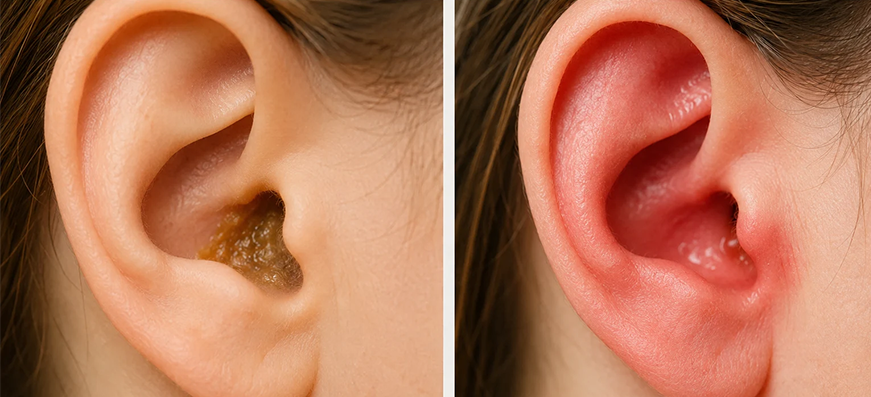
Most ear infections clear up without lasting problems but some can cause complications such as temporary hearing loss, a ruptured eardrum, repeated infections, or fluid buildup behind the eardrum. In rare cases, the infection can spread to the bone behind the ear or nearby tissues, cause facial weakness or lead to abnormal skin growth in the middle ear.
When to See a Provider for an Ear Infection
Come in for a same-day urgent care visit if:
- Ear pain is moderate to severe or keeps a child from sleeping or eating
- Fever of 102.2°F (39°C) or higher in a child
- Ear pain lasts more than 48 hours without improving
- You see fluid, pus, or blood draining from the ear
- Ear pain follows a cold that is not getting better
- Your child is under 2 years old with possible ear infection symptoms
- You are not sure whether it is an ear infection, swimmer's ear, or something else

Ear Infection Treatment
Treatment for an ear infection depends on its type and severity. Many mild infections improve on their own while others need prescription medicine. Some treatments can help relieve pain, treat the infection and prevent further problems.
Over-the-counter pain relievers, such as acetaminophen or ibuprofen, can help reduce ear pain and fever when used according to the label or your healthcare provider’s advice. A warm washcloth placed gently against the outer ear can also provide comfort. Drinking plenty of fluids and keeping the head slightly elevated while resting help ease discomfort. Do not give ibuprofen to babies under 6 months unless a healthcare provider advises it.
An ear infection can sometimes cause pressure that tears the eardrum. This leads to sudden pain relief followed by fluid, pus, or blood draining from the ear. Most small tears heal on their own within days to weeks but a medical examination is important to check for damage and treat any infection. Keep the ear dry while it heals and avoid putting ear drops, oil, or other liquids inside unless your healthcare provider confirms they are safe to use.
Swimmer’s ear usually requires prescription antibiotic ear drops, sometimes with a steroid to reduce swelling. Pain relievers can also help manage discomfort. Oral antibiotics are generally not needed unless the infection spreads beyond the ear canal. Keep the ear dry, use the drops as prescribed, and avoid swimming until your healthcare provider says it is safe. To prevent future infections, avoid using cotton swabs or other objects inside the ear.
Ear infections in adults develop after a cold, sinus infection, or allergy. Treatment depends on the cause and includes pain relievers, prescription ear drops, or antibiotics when needed. Some infections improve without antibiotics so a healthcare provider should examine the ear before recommending treatment. Adults with severe pain, ear drainage, repeated infections, or symptoms lasting more than a couple of days should seek medical care on time.
How to Help Prevent Ear Infections
01
Keep vaccines up to date, including the yearly flu shot, to help prevent infections that can lead to ear problems.
02
Manage allergies to reduce swelling and fluid buildup in the ears.
03
Breastfeed when possible, as it helps reduce the risk of ear infections in babies.
04
Wash your hands often to prevent colds and other illnesses that can cause ear infections.
05
Dry your ears after swimming and avoid cotton swabs to help prevent swimmer's ears.
06
Keep children away from tobacco smoke, including secondhand smoke.
07
Ask your child's doctor about pacifier use if ear infections happen often.
08
Feed babies with their heads raised and avoid propping up bottles.
Ear Infection Evaluation at iMed Urgent Care
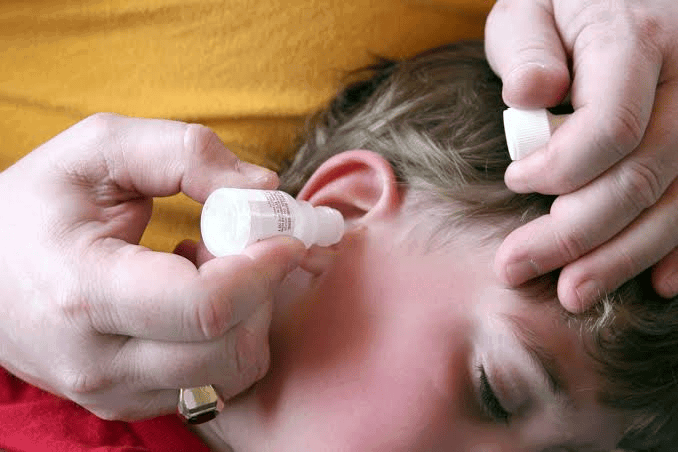
At iMed Urgent Care, Ohio, our providers review your symptoms, how long they have lasted, and any recent colds, swimming, or ear injuries. They use an otoscope to look inside your ear and check your ear canal and eardrum. They also examine your throat, nose, and glands to look for related problems. After the exam, they explain what is causing your symptoms, whether it is an ear infection, trapped fluid, swimmer’s ear, or another condition. Our provider will then recommend a treatment plan, including pain relief, medication if needed, and follow-up care. If you are in Ohio, you just walk in to iMed Urgent Care without making symptoms severe.
Types of Ear Infections: Which One Do You Have?
Ear infection is not a single disease it can mean different things. It is divided into different types and knowing the type helps to choose the right treatment. Some conditions can cause similar symptoms but are not infections.
Ear Infection Treatment Near You: Grove City, East Columbus, and South Columbus
Ear infection care is available at all three iMed Urgent Care locations. Walk in any day of the week, or check in online to save your spot before you arrive.
● Grove City Urgent Care — 3206 Broadway, Grove City, OH
● East Columbus Urgent Care — 3331 E Broad St, Columbus, OH
● South Columbus Urgent Care — 3865 S High St, Columbus, OH
Why Choose iMed Urgent Care for an Ear Infection
- Walk-ins welcome seven days a week; no appointment needed
- Same-day exam, diagnosis, and treatment plan
- An honest approach to antibiotics: prescribed when they help, not by default
- Careful attention to warning signs so a complication is not missed
- Care for children and adults
Frequently Asked Questions
Can an ear infection go away on its own?
Yes, many mild ear infections get better on their own within two to three days without antibiotics. However, severe pain, a high fever, or pain lasting more than 48 hours should be checked by a healthcare provider. Young children need treatment sooner.
How long does an ear infection last?
Ear pain and fever usually improve within two to four days. However, fluid can stay behind the eardrum for weeks or months, causing muffled hearing even after the infection clears.
What are the signs of an ear infection in a baby?
Common signs include pulling at the ear, crying more than usual, trouble sleeping, fever, difficulty feeding, and fluid coming from the ear. A baby younger than 3 months with a fever needs quick medical attention.
What is the fastest way to relieve ear infection pain?
Pain relievers such as acetaminophen or ibuprofen, when used according to age and weight instructions, can help ease pain. A warm washcloth against the ear and resting with the head slightly raised can also help. Avoid putting oil, hydrogen peroxide, or cotton swabs inside the ear.
Should I Visit iMed Urgent Care or the ER for an Earache?
iMed Urgent Care can help with most earaches and suspected ear infections at our Grove City, East Columbus, and South Columbus locations. Visit the ER if you have a stiff neck, swelling behind the ear, facial weakness, severe dizziness, or sudden hearing loss. Seek emergency care for a child who is unusually sleepy or difficult to wake.
Office Hours
Mon - Fri: 09:00 AM - 07:00 PM
Sat - Sun: 10:00 AM - 05:00 PM
Contact
Phone: +1 614-594-2900
Office Hours
Mon - Fri: 09:00 AM - 07:00 PM
Sat - Sun: 10:00 AM - 05:00 PM
Contact
Phone: (614) 295-4302
Office Hours
Mon - Fri: 09:00 AM - 07:00 PM
Sat - Sun: 10:00 AM - 05:00 PM
Contact
Phone: (614) 295-4302

Created by DearDoc.
iMed Urgent Care © All right reserved.