
Pink Eye Treatment in Columbus, OH
Seeing in the mirror that one eye is red and gritty? Don't need to panic. It's called conjunctivitis that needs proper care. Visit iMed Urgent Care. Our providers examine your eyes, determine which type of pink eye you have, and give you a clear treatment plan and a clear answer on when it is safe to go back to work, school, or daycare. No appointment is needed at our Grove City, East Columbus, or South Columbus locations.
What is Pink Eye? Which Type Do You Have?
Pink eye (conjunctivitis) is inflammation of the thin and clear tissue covering the white of the eye and the inside of the eyelid. Pink eye is not one illness. It is one set of symptoms with different causes and the cause decides the treatment. That is the main reason guessing at home, or using leftover drops, often does not work. Most cases are mild but because the types look alike and are treated differently, an exam is the fastest way to know which one you have. There are different types of pink eye:
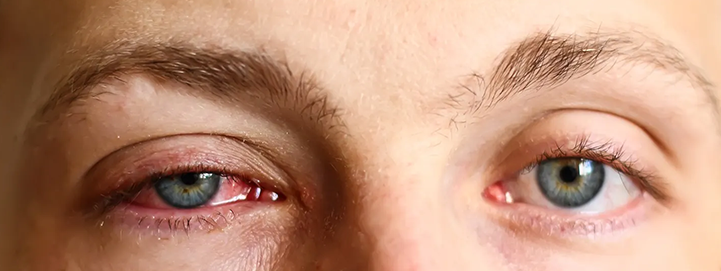
The most common form in adults. It is often caused by the same viruses behind colds and sore throats, so it frequently arrives with a runny nose, cough, or sore throat. It usually starts in one eye and can spread to the other within a few days. Antibiotics do not work against viruses, so urgent care centers focus on relieving symptoms while the infection clears, usually within one to two weeks.
Bacterial pink eye is more common in children than adults. It often causes thick yellow or green discharge that returns after wiping and can make the eyelids stick together after sleep. Mild bacterial pink eye can improve without antibiotics but most of the time providers prescribe antibiotic eye drops or ointment to help symptoms clear faster and reduce spread, especially in children, contact lens wearers, or people with heavy discharge.
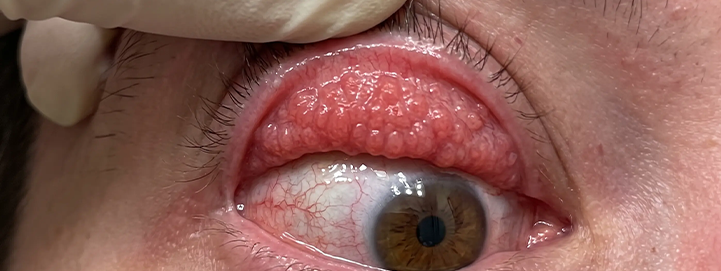
Allergic pink eye is caused by pollen, pet dander, dust mites, or mold. The main symptom is intense itching in both eyes, often with sneezing and a stuffy nose. It is not contagious. If you are in Ohio then symptoms get worse during spring and fall due to seasonal allergies.
Irritant pink eye is caused by smoke, chlorine, cosmetics, fumes, or household products. It can cause burning, redness, and watery eyes. If a chemical gets into your eye, rinse it immediately with clean and lukewarm running water for at least 20 minutes and seek urgent medical advice. Do not wait to finish rinsing before getting help.
Pink Eye Symptoms
Common pink eye symptoms include:
- Pink or red color in the white of one or both eyes
- A gritty feeling, like sand in the eye
- Watery eyes or thicker discharge
- Crusting on the eyelashes or lids, especially after sleep
- Itching or burning
- Swollen eyelids
- Increased sensitivity to light (mild)
- Contact lenses that feel uncomfortable or will not stay in place
Morning Crust and Eyes Stuck Shut
Waking up with eyelids stuck together is a common pink eye symptom. Dried discharge can build up overnight with both viral and bacterial pink eye. Soak a clean washcloth in warm water, place it on your closed eyelid for a minute or two, and gently wipe from the inner corner outward. Use a clean cloth for each eye.
Is Pink Eye Contagious? How Long and When to Return
Viral and bacterial pink eyes can spread through hand-to-eye contact, shared towels or pillowcases, and touching surfaces before rubbing the eyes. Allergic and irritant pink eyes are not contagious.
When Red Eye Is NOT Pink Eye: Warning Signs
Most red eyes are caused by minor problems but sometimes it can be a serious eye condition. Seek medical care if you notice these warning signs:

Moderate to severe eye pain
Indicates a corneal problem or inflammation inside the eye.

Blurred vision
Vision that does not clear after blinking needs prompt evaluation.

Strong light sensitivity
Indicates a corneal infection or eye inflammation.

Feeling something is stuck in the eye
Could mean a foreign object or a scratch on the eye.

Red, painful eye in contact lens wearers
Indicates a corneal infection. Remove your lenses and get checked the same day.
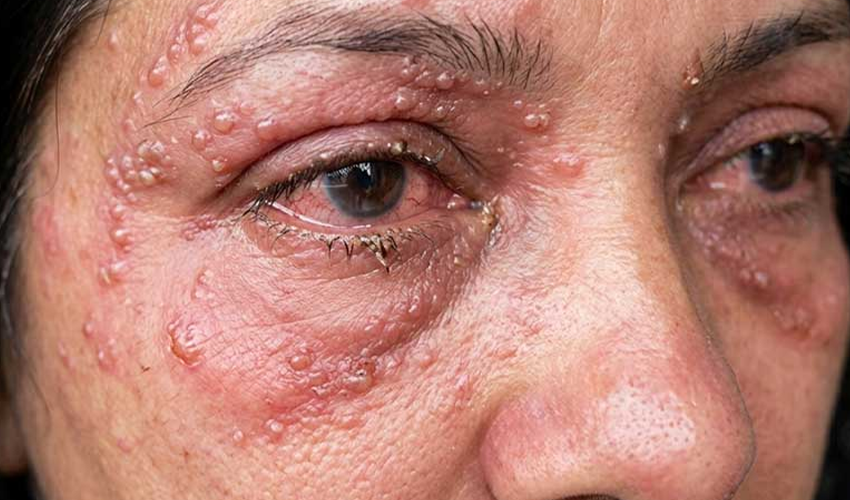
Blisters on the forehead, eyelid, or side of the nose
Indicate shingles affecting the eye and require urgent care.

Red eye with headache, nausea, or halos around lights
Could signal acute angle-closure glaucoma, a medical emergency.
When to See a Provider for Pink Eye
Come in for a same-day visit if:
- Thick yellow or green discharge keeps returning
- Symptoms are not improving after a few days or are getting worse
- You wear contact lenses
- Your child has pink eye and needs a school or daycare note
- You have a weakened immune system or have recently had eye surgery
- You are not sure whether it is pink eye, an allergy, or something else
- You feel swelling, pain, or vision changes

Pink Eye Treatment Options

Treating Bacterial Pink Eye
For bacterial pink eye, antibiotic eye drops or ointment can be prescribed. Many mild bacterial cases clear on their own, so your provider will consider the severity, your age, contact lens use, and the risk of spreading the infection. If prescribed antibiotics, follow the instructions and complete the full course.
Treating Viral Pink Eye
There is no medicine to cure most cases of viral pink eye. Treatment focuses on relieving symptoms while the body fights the infection. Antibiotics do not work against viruses and are not recommended. Some viral infections, such as those caused by herpes viruses, need specific treatment and follow-up.
Treating Allergic Pink Eye
Treatment focuses on avoiding the cause of the allergy and reducing symptoms. Some of the best options include antihistamine eye drops, mast cell stabilizer drops, cool compresses, and artificial tears to wash away allergens.
Home Care That Helps
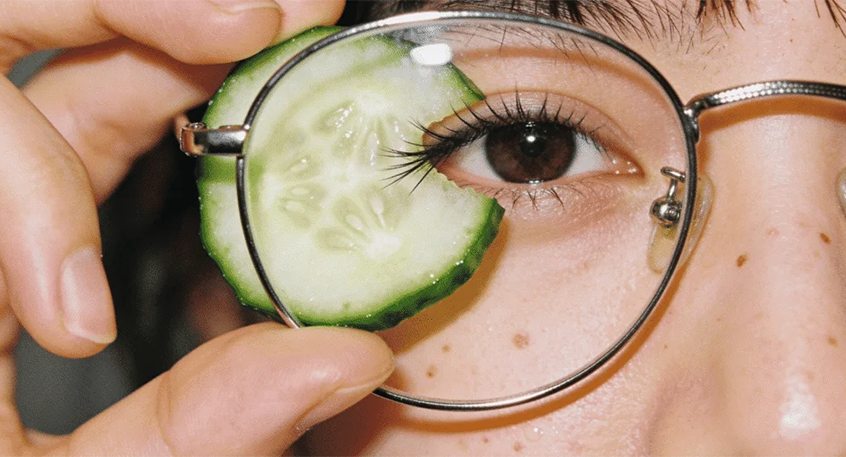
- Use cool compresses to reduce swelling and itching, and warm compresses to loosen dried discharge.
- Use preservative-free artificial tears to relieve dryness and irritation.
- Gently clean your eyelids with a fresh, damp cloth each time.
- Wash your hands before and after touching your face or using eye drops.
- Avoid eye makeup until symptoms are gone, and throw away makeup used during the infection.
- Avoid contact lenses until your provider says you can wear them again.
Pink Eye and Contact Lenses
If you wear contact lenses, a red eye needs extra care because contacts can increase the risk of a serious eye infection. Remove your lenses as soon as you notice redness, pain, or discharge, and wear glasses until your provider checks your eyes. Throw away the lenses you were wearing and their case. Replace your case regularly, and do not wear contacts again until your provider confirms the infection has cleared. Never sleep in contact lenses unless your eye doctor has approved them for overnight use.
Treatment of Pink Eye in Children and Newborns
Pink Eye in Children
Pink eye spreads easily in schools and daycares because children often touch their faces and share toys. Bacterial pink eye is also common in children. A same-day visit can help find the cause and decide if treatment is needed. It can also provide a note for school or daycare.
Newborns (Under 4 Weeks)
Redness, swelling, or discharge in a newborn needs immediate medical attention. Contact your baby's pediatrician right away or take your baby to the emergency room. Do not wait for the symptoms to go away on their own.
Frequently Asked Questions
How do you get pink eye?
Viral and bacterial pink eye spread when you touch an infected person or a contaminated surface and then touch your eyes. Allergic pink eye is caused by things like pollen and pet dander. Irritant pink eye can happen when smoke, chlorine, or chemicals get into your eyes.
Can pink eye go away on its own?
Yes, pink eye often clears up on its own. Viral pink eye and many mild bacterial cases improve within one to two weeks. But some cases need treatment, so a provider can help identify the cause and recommend the right care.
How long is pink eye contagious?
Viral pink eye can spread while the eyes are red and watery. Bacterial pink eye usually becomes less contagious after about 24 hours of antibiotic treatment, but untreated cases may remain contagious while symptoms continue. Allergic and irritant pink eye do not spread to others.
Is pink eye a sign of something serious?
Pink eye is usually not serious but some eye conditions can look similar. Get medical attention if you have eye pain, vision changes, strong sensitivity to light, or a red eye after an injury.
Should I go to urgent care, the ER, or an eye doctor for pink eye?
Urgent care can check common pink eye symptoms and provide same-day care. Go to the ER for sudden vision loss, severe eye pain, a chemical exposure that has not been rinsed out, or a red eye with a severe headache and nausea. See an eye doctor if pink eye keeps coming back or a problem affects the cornea.
Office Hours
Mon - Fri: 09:00 AM - 07:00 PM
Sat - Sun: 10:00 AM - 05:00 PM
Contact
Phone: +1 614-594-2900
Office Hours
Mon - Fri: 09:00 AM - 07:00 PM
Sat - Sun: 10:00 AM - 05:00 PM
Contact
Phone: (614) 295-4302
Office Hours
Mon - Fri: 09:00 AM - 07:00 PM
Sat - Sun: 10:00 AM - 05:00 PM
Contact
Phone: (614) 295-4302

Created by DearDoc.
iMed Urgent Care © All right reserved.