
When you feel a dull earache, a sharp sensation or simply feel clogged and uncomfortable, an ear infection grabs attention. Some ear pain goes away on its own but persistent pain, hearing changes, or drainage could be signs of an ear infection that needs medical attention.
Ear infections are always uncomfortable, common, and in most cases, they're treatable once you know what you're dealing with. That’s why early diagnoses are important, as waiting too long can lead to complications like hearing loss, a ruptured eardrum, or infections that spread beyond the ear.
Let’s discuss what ear infections are and their symptoms, diagnosis, treatment, prevention, and how urgent care helps you seek medical care on time.
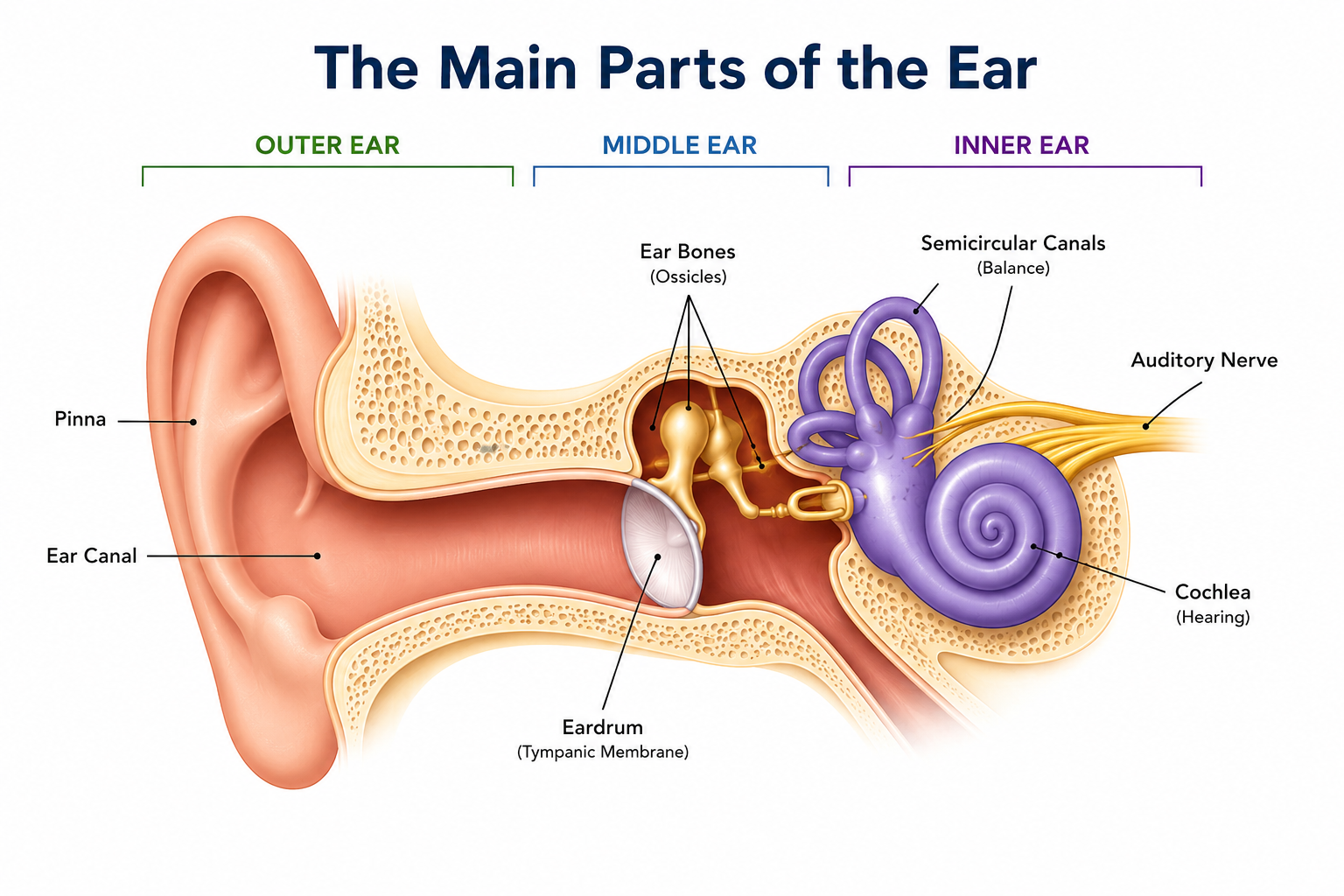
What Is an Ear Infection?
An ear infection occurs when bacteria, viruses, or, less commonly, fungi invade part of the ear and cause inflammation. This inflammation causes swelling, pain, and fluid buildup that can affect hearing and balance.
Your ear is divided into three sections:
-
Outer ear
-
Middle ear
-
Inner ear
An infection can develop in any of these areas but each type has different symptoms and treatment approaches.
Because the ear connects to the nose and throat through the Eustachian tube, illnesses like the common cold, sinus infections, allergies, or the flu can increase the risk of developing an ear infection. When the Eustachian tube becomes swollen or blocked, fluid gets trapped behind the eardrum and creates an ideal environment for germs to grow.
Types of Ear Infections
When you understand where the infection is located, it helps explain why ear infection symptoms vary from person to person.
Outer Ear Infection (Swimmer's Ear)
The ear canal, which connects the outside of the ear to the eardrum, is impacted by an outer ear infection.
Despite its nickname, swimmer's ear doesn't mean that it only happens after swimming. Any situation that keeps moisture inside the ear can promote the growth of germs. Additionally, using cotton swabs to clean the ears or scratching the ear canal can cause skin damage and raise the risk of infection. Some common symptoms of outer ear infection include ear pain that worsens when touching or pulling the ear, redness around the ear canal, swelling, itching, fluid drainage, and mild hearing loss due to swelling.
Middle Ear Infection (Otitis Media)
This is the most common type of ear infection, especially in young children. It occurs when fluid builds up behind the eardrum, usually due to a cold, allergies, or sinus infection. This fluid can become infected, causing pain, pressure, and sometimes fever. Symptoms of middle ear infection include moderate to severe ear pain, a feeling of fullness inside the ear, fever, trouble hearing, difficulty sleeping, irritability in young children, or ear drainage if the eardrum ruptures.
Inner Ear Infection (Labyrinthitis)
It is a less common but more serious infection affecting the inner ear, which is responsible for both hearing and balance. It often causes dizziness, vertigo, nausea, vomiting, ringing in the ears, and balance problems in addition to typical infection symptoms.
What Causes Ear Infections in Adults and Children?
Ear infections often occur when the Eustachian tube, a tiny canal that drains fluid from the middle ear to the throat, becomes clogged or enlarged. Common causes of ear infections include:
-
Colds, flu, and upper respiratory infections
-
Seasonal allergies and sinus congestion
-
Excess water exposure from swimming or bathing
-
Sudden changes in air pressure, such as during flights
-
Secondhand smoke exposure
-
Enlarged adenoids (more common in children)
-
Using cotton swabs or other objects that irritate the ear canal
Common Signs and Symptoms of an Ear Infection
Ear infection symptoms vary depending on the type and severity of the infection, but some warning signs of ear infections are common.
-
Ear Pain: Ear pain is a common symptom of ear infections. The pain can be sharp, constant, intermittent, worse at night, or when chewing. Pain can be intensified as pressure builds behind the eardrum.
-
Hearing Changes: Many people notice temporary hearing loss because inflammation and trapped fluid interfere with sound transmission. You can feel one ear is blocked, sounds are muffled, and conversations are difficult to hear. Most hearing changes improve after the infection clears.
-
Ear Drainage: Fluid leaking from the ear can indicate a ruptured eardrum, an outer ear infection, or an advanced infection. Drainage can appear clear, yellow, white, or bloody. This drainage should be evaluated by a healthcare provider.
-
Fever: fever is more common in children than adults with an ear infection. It can be mild (100°F), moderate (101–102°F), or high (above 103°F). If you feel high fever with severe ear pain, you need quick medical attention.
-
Fullness or Pressure: Many people describe the sensation as feeling like being underwater. Pressure inside the middle ear creates fullness, popping, crackling, and reduced hearing.
-
Ringing in the Ear (Tinnitus): Inflammation sometimes irritates structures involved in hearing. You can notice ringing, buzzing, humming, and clicking. This usually improves after ear infection treatment.
-
Balance Problems: Certain infections can cause vertigo, lightheadedness, dizziness, and nervousness because your inner ear helps in balance. But persistent dizziness should never be ignored.
Who's at Higher Risk for Ear Infections?
Anybody can be affected by ear infection but it's most common in:
-
Children under age 5, due to smaller and more horizontal Eustachian tubes
-
Frequent swimmers or people who live in humid environments
-
Individuals with seasonal allergies or chronic sinus issues
-
People with a recent cold, flu, or respiratory infection
-
Smokers or those regularly exposed to secondhand smoke
-
Children in daycare settings due to higher exposure to viruses
-
People who use hearing aids or earbuds for extended periods
When to See a Doctor: Red Flags You Shouldn't Ignore
Mild ear discomfort sometimes resolves on its own within a day or two. But if you feel these common symptoms, you need to evaluate it quickly rather than wait it out. The best solution that gives you same-day care is urgent care centers.
Visit iMed Urgent Care if you or your child experiences:
-
Ear ache that persists for longer than 24 to 48 hours
-
Any fever in a baby younger than six months, or any fever exceeding 102°F
-
Blood, pus, or fluid flowing out of the ear
-
A sudden loss of hearing or ongoing muffled hearing
-
Pain that is severe or getting worse after taking over-the-counter medication
-
Walking difficulties, lightheadedness, or lack of balance
-
Tenderness, redness, or swelling behind the ear
-
Signs of a youngster who is abnormally sluggish or challenging to comfort
Go to the emergency room instead of urgent care if there is sudden facial drooping, a stiff neck, severe headache with confusion, or swelling that is rapidly spreading. These can point to a more serious complication and need immediate attention.
How Ear Infections Are Diagnosed
At an urgent care visit, a provider will typically:
-
Ask about your symptoms, how long they've lasted, and any recent illness
-
Examine the ear canal and eardrum using an otoscope to check for redness, swelling, or fluid
-
Check for fluid behind the eardrum which can indicate a middle ear infection
-
Assess for fever, drainage, or signs of a ruptured eardrum
-
Check out related issues like sinus infections or strep throat if symptoms overlap
This exam is quick and takes just a few minutes.
Ear Infection Treatment Options
Watchful Waiting
Providers mostly recommend monitoring symptoms for 48 or 72 hours for mild middle ear infections, especially in older children and adults, because many infections clear on their own as the body fights off the virus or bacteria.
Antibiotics
A doctor can prescribe antibiotics if the infection is bacterial, mild to severe, or affects a little child. It's important to complete the full course even if symptoms improve early.
Ear Drops
Ear drops that have antibiotic and anti-inflammatory ingredients are mostly recommended as primary treatment for outer ear infections like swimmer's ear.
Pain and Fever Management
Over-the-counter pain relievers can help manage discomfort and fever while the infection resolves. A provider can recommend the right option and dosing based on age and health history.
Follow-Up Care
If you have recurrent ear infections, you need follow-up visits with a general care physician or an ENT specialist. It helps to check for fluid buildup or discuss preventive options like ear tubes.
Possible Complications If Left Untreated
Most ear infections resolve without lasting effects, especially with timely care. But untreated or repeated infections can occasionally lead to:
-
Temporary or, rarely, permanent hearing loss
-
A ruptured eardrum
-
Spread of infection to nearby bone (mastoiditis)
-
Delayed speech development in young children with chronic fluid buildup
-
In very rare cases, spread of infection deeper into the skull
Choose iMed Urgent Care for a Quick Ear Infection Solution
If you are in Ohio, iMed Urgent Care provides walk-in, same-day evaluation and treatment for ear infections and other common illnesses for patients of all ages. Our providers are experienced in diagnosing ear, nose, and throat conditions quickly and accurately, so you can find the actual reason for pain.
We're proud to serve patients throughout Ohio and the surrounding communities, including Grove City, East Columbus, and South Columbus. Just walk into the iMed Urgent Care center in Ohio. Our cooperative staff helps you with quick and compassionate care without an appointment.