
Sinus Infection Treatment in Columbus, OH
Feeling heavy pressure behind your eyes and cheeks, along with thick drainage that won’t go away, is a common reason people search for same-day care. However, sinus symptoms are often misdiagnosed. At iMed Urgent Care, our providers check your sinuses to find out whether the infection is viral or bacterial. We then create a treatment plan based on the actual cause, not just the symptoms. Visit our Grove City, East Columbus, or South Columbus locations. No appointment is needed.

What Is a Sinus Infection (Sinusitis)?
A sinus infection, also called sinusitis, occurs when the tissue inside your sinuses becomes swollen and inflamed. Your sinuses are air-filled spaces behind your forehead, cheeks, and eyes. When they become swollen, mucus can get trapped instead of draining normally. This can cause pressure, congestion, and thick nasal discharge.
Most sinus infections are caused by viruses, just like a common cold, and usually get better within 7 to 10 days without antibiotics. Some infections can become bacterial when the infection does not clear and bacteria grow in the trapped mucus. These cases need different treatment.
Acute, Subacute, and Chronic Sinusitis
Sinus infections are grouped based on how long the symptoms last. The type of sinusitis can affect its cause and treatment:
- Acute sinusitis: Symptoms last up to 4 weeks. This is the type most people mean when they say sinus infection.
- Subacute sinusitis: Symptoms last 4 to 12 weeks.
- Chronic sinusitis: Symptoms last more than 12 weeks. It comes with repeated flare-ups and can be related to allergies, nasal polyps, or problems with the structure of the nose and sinuses.
- Recurrent acute sinusitis: Several separate sinus infections happen within a year with symptoms improving between episodes.
Chronic or recurring sinus infections need more detailed evaluation and treatment than a single acute infection.

Sinus Infection Symptoms
Sinus infection symptoms can look like a cold at first but they become more noticeable as the infection develops. Common symptoms include:
Facial pain or pressure
Usually felt around the forehead, cheeks, or behind the eyes.
Thick, yellow or green nasal discharge
Mucus can become thicker and change color.
Nasal congestion
A stuffy nose can make it difficult to breathe normally.
Reduced sense of smell or taste
Swelling and congestion can affect your ability to smell and taste.
Post-nasal drip
Mucus draining down the throat can cause soreness or irritation.
Headache
Pain becomes worse when you bend forward.
Cough
Drainage can cause a cough that is often worse at night.
Fatigue
You feel tired or low on energy.
Bad Breath
Trapped mucus and drainage can sometimes cause unpleasant breath.
Ear pressure or fullness
Sinus congestion can create pressure in the ears.
Where Sinus Pain Occur
The location of sinus pain can sometimes indicate which sinuses are affected:
Forehead
Pressure or pain come from the frontal sinuses.
Around or behind the eyes
This can be linked to the ethmoid sinuses, which are located between the eyes and near the top of the nose.
Cheeks or upper teeth
Pain in these areas come from the maxillary sinuses.
Behind the eyes or toward the top or back of the head
This can involve the sphenoid sinuses. These infections are less common and may cause deeper, harder-to-locate pain.

Sinus Headache: What Makes It Different
A sinus headache usually happens along with other sinus symptoms, such as a stuffy nose, thick or discolored mucus, and tenderness or pressure around the face. The pain also gets worse when you bend forward or lie down.
But many people who think they have a sinus headache actually have a migraine. Migraines can also cause facial pressure and nasal congestion. This difference is important because migraines and sinus infections need different treatments. If the headache is not caused by a sinus infection, sinus treatments do not provide the expected relief.
What Causes a Sinus Infection?
Sinus infections can happen for several reasons. Common causes and risk factors include:
01
Viral infections
The common cold is the most common cause of acute sinusitis.
02
Bacterial infections
Some sinus infections become bacterial, usually after a viral infection does not fully clear.
03
Allergies
Ongoing allergies can cause swelling inside the nose and sinuses, making infections more likely.
04
Deviated septum:
A crooked nasal septum or other structural problems can interfere with sinus drainage.
05
Weakened immune system
A weakened immune system can make it harder for the body to fight infections.
06
Swimming or diving
Water exposure can sometimes introduce bacteria or irritate the sinuses.
07
Environmental irritants
Smoke, strong smells, and air pollution can irritate and inflame the sinus tissue.
08
Dental infections
An infection in an upper tooth can sometimes spread to the nearby maxillary sinus.
When to See a Doctor for a Sinus Infection
Many sinus infections are viral and get better on their own but some symptoms mean you need a medical evaluation. Consider a same-day visit if your symptoms last more than 10 days without improving, get better and then suddenly become worse, or cause severe facial pain or pressure, especially on one side. A fever of 102°F or higher, thick discolored nasal discharge with facial pain, or sinus infections that keep coming back throughout the year are also reasons to get checked by a healthcare provider.
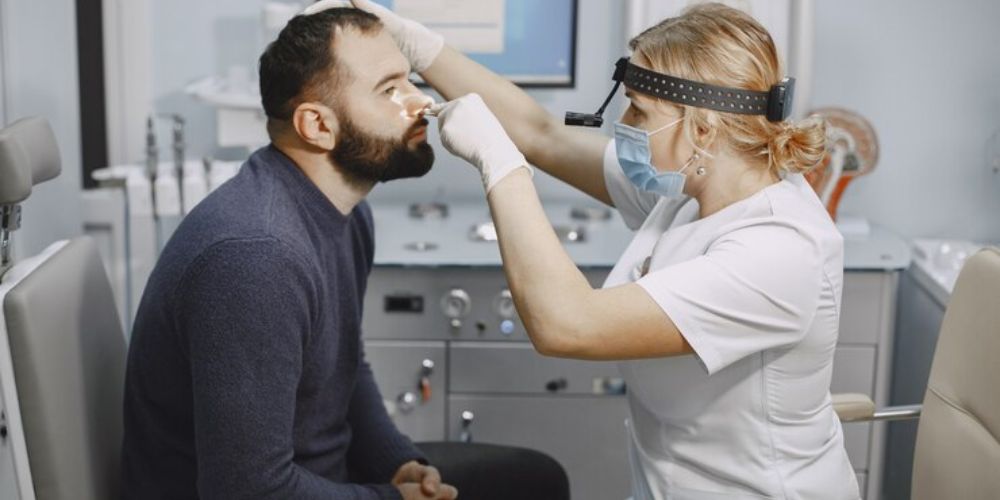
Sinus Infection Treatment Options
Treatment depends on whether the sinus infection is viral or bacterial and how long the symptoms have lasted.
Most sinus infections are viral and improve on their own within 7 to 10 days. Antibiotics do not treat viruses, so treatment usually focuses on relieving symptoms while your body fights the infection.
Antibiotics can be needed when symptoms last more than 10 days without improvement, become worse after getting better, or begin with severe symptoms such as a high fever and facial pain. Common options include amoxicillin or amoxicillin-clavulanate, depending on your allergies and recent antibiotic use.
Saline nasal sprays or rinses can help clear mucus, while short-term decongestants ease congestion. Nasal steroid sprays can reduce inflammation, especially with allergies or chronic sinusitis. Pain relievers, warm compresses, and plenty of fluids can also help with pain and congestion.
When symptoms last more than 12 weeks or infections keep returning, the underlying cause needs to be treated. This could include allergies, nasal polyps, or structural problems. Treatment involves nasal steroids, allergy care, or an ENT evaluation if symptoms do not improve.
Sinus Infection Prevention
- Manage your allergies to help prevent sinus infections.
- Use a saline nasal rinse during allergy and cold seasons.
- Drink plenty of water to keep mucus thin.
- Avoid smoke and strong smells.
- Treat cold symptoms early with proper care.
- Use a humidifier when the air is dry.
- Wash your hands often during cold and flu season.

Why Choose iMed Urgent Care
for Sinus Infection Treatment
Sinus infections are sometimes treated with antibiotics when they are not needed, while some bacterial infections can be mistaken for a common cold. An in-person evaluation can help determine the cause and guide the right treatment.
Walk-In and Same-Day Availability
No appointment is needed. You can walk in during business hours or use online check-in before you arrive. Our providers can evaluate your symptoms and recommend treatment during your visit.
Care Based on Your Symptoms
Our providers check your symptoms and determine whether your sinus infection is more likely viral or bacterial. This helps avoid unnecessary antibiotics while making sure bacterial infections receive appropriate treatment.
Convenient Columbus-Area Locations
iMed Urgent Care has three convenient locations for sinus infection care. You can visit us at Grove City: 3206 Broadway, Grove City, OH, East Columbus: 3331 E Broad St, Columbus, OH, or South Columbus: 3865 S High St, Columbus, OH.
Visit iMed Urgent Care for Sinus Infection Treatment Today
Don't keep guessing whether it's a cold, allergies, or a true sinus infection. Walk in or check in online at our Grove City, East Columbus, or South Columbus location for an accurate diagnosis and same-day treatment.
Frequently Asked Questions
How do I know if it's a sinus infection or just a cold?
A cold usually starts getting better within a week. A sinus infection may last more than 10 days or get better and then become worse again. Facial pain and thick, discolored mucus are also common signs of a sinus infection.
Do I need antibiotics for a sinus infection?
Not always. Most sinus infections are caused by viruses and get better without antibiotics. A healthcare provider can check your symptoms and decide if antibiotics are needed.
What's the difference between a sinus headache and a migraine?
A sinus headache usually comes with a stuffy nose, facial pressure, and thick mucus. A migraine may cause throbbing pain, nausea, and sensitivity to light or sound. Since they need different treatments, getting the right diagnosis is important.
Is it safe to go to urgent care for a sinus infection, or should I see an ENT?
Urgent care can treat most short-term sinus infections. If you have ongoing or frequent sinus infections, or your symptoms do not improve, you may need to see an ENT. An urgent care provider can recommend a referral if needed.
Why Choose iMed Urgent Care Ohio for Sinus Infection Treatment?
iMed Urgent Care Ohio provides convenient care for sinus infections without the need for an appointment. Our providers can evaluate your symptoms, determine whether you may have a viral or bacterial infection, and recommend the right treatment. With locations in Grove City, East Columbus, and South Columbus, you can get same-day care close to home.
Office Hours
Mon - Fri: 09:00 AM - 07:00 PM
Sat - Sun: 10:00 AM - 05:00 PM
Contact
Phone: +1 614-594-2900
Office Hours
Mon - Fri: 09:00 AM - 07:00 PM
Sat - Sun: 10:00 AM - 05:00 PM
Contact
Phone: (614) 295-4302
Office Hours
Mon - Fri: 09:00 AM - 07:00 PM
Sat - Sun: 10:00 AM - 05:00 PM
Contact
Phone: (614) 295-4302

Created by DearDoc.
iMed Urgent Care © All right reserved.